Maximizing Space: Smart Design Tips for Small Homes Nov 30, 2025
The journey to maximizing space in a small home begins with a deliberate assessment of your needs and the areas that require attention. Before diving into renovations, consider which rooms are most vital to your lifestyle and how they can be optimized. One of the first steps is to embrace minimalism, which goes hand in hand with space efficiency. By decluttering and choosing multi-functional furniture, you can instantly free up space and reduce visual clutter, making your home feel more open and airy.
One of the most effective strategies in space optimization is utilizing vertical space, which is often overlooked in typical home design. Tall bookshelves, wall-mounted shelves, and hanging storage options are excellent tools for adding storage without using up precious floor space. In the kitchen, for instance, magnetic strips for knives and hanging racks for pots and pans can free up countertop space and keep essentials within easy reach.
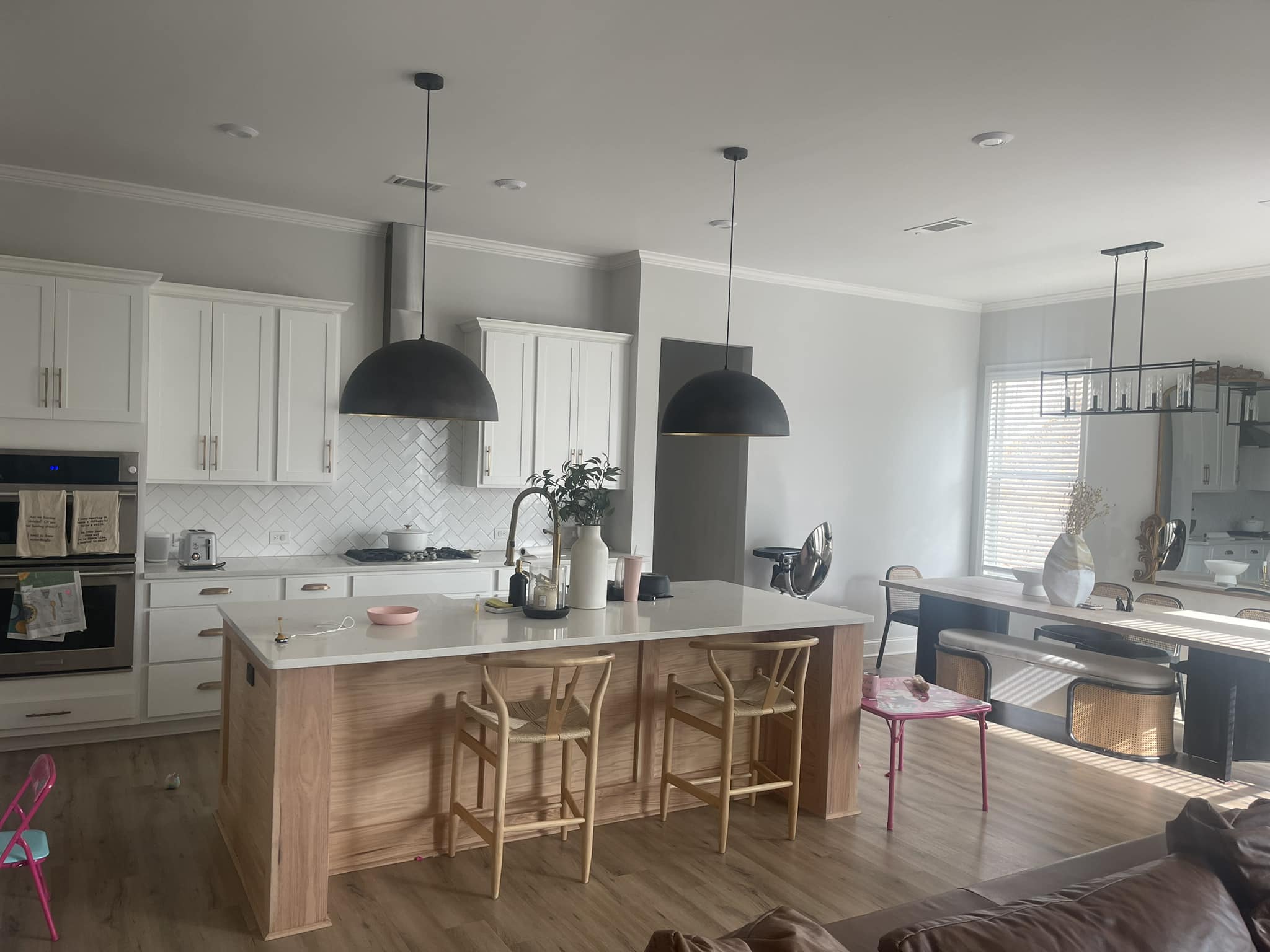
Consider open-plan living as an option to create a more spacious feel. By removing unnecessary walls, you can merge spaces such as the kitchen and living room, which not only enhances flow but also invites more natural light into the home. If tearing down walls isn't feasible, open shelving and glass doors can create a similar open effect by removing visual barriers.
Lighting plays a significant role in making a space appear larger. Maximize the use of natural light by opting for sheer curtains or blinds that allow light in while maintaining privacy. Strategically placed mirrors can reflect light and give the illusion of a larger space. Investing in layered lighting, including overhead, task, and accent lighting, will ensure that the room is well-lit, adding to the sense of openness.
Incorporating built-in storage solutions is another effective tactic. From under-stair storage to built-in wardrobes, these solutions not only save space but also add a sleek, streamlined appearance to your home. In the bathroom, consider wall-mounted sinks and toilets, which free up floor area and lend a more spacious feel to even the smallest bathrooms.
Smart design doesn't end with storage solutions—color and materials also play a crucial role. Light, neutral colors make a room appear more expansive, while mirrors and glass can reflect light and color around the room. Opting for compact, streamlined furniture in lighter hues can blend seamlessly with the decor, preventing the space from feeling cramped.
Finally, it's important to focus on personalizing spaces without overcrowding them. Thoughtful decoration, such as artwork and plants, can add personality and warmth without compromising space. Remember, each piece should have a purpose, either for functionality or aesthetic pleasure.
In conclusion, maximizing space in a small home involves a combination of decluttering, strategic storage, embracing vertical space, and ensuring adequate lighting. At U.S. Construction & Renovation, we are here to help you transform your small home into a stylish and efficient living space. With these smart design tips, you can create a home that not only meets your needs but also reflects your personal style and passion for creativity.
/filters:no_upscale()/filters:format(webp)/media/4c7d80e3-f0a5-4eb7-9faa-f6528b98c0bf.jpeg)